- Introduction
- Why A Thai Herbal Garden Is Useful
- Thai Herbs Make Food More Aromatic
- Lemongrass
- Thai Basil
- Holy Basil
- Mint
- Coriander
- Pandan
- Kaffir Lime
- Galangal
- Turmeric
- Ginger
- Chilli
- Butterfly Pea
- Choosing Herbs For Beginners
- Growing Thai Herbs In Pots
- Sunlight And Water
- Harvesting Thai Herbs
- How To Use Thai Herbs In Cooking
- Simple Thai Dishes For Fresh Herbs
- Herbal Drinks From The Garden
- Thai Herb Storage Tips
- Common Mistakes To Avoid
- Simple Thai Herbal Garden Plan
- Simple Checklist Before You Start
- Conclusion
- FAQ
- What Is A Thai Herbal Garden?
- What Herbs Should I Grow First?
- Can I Grow Thai Herbs In Pots?
- What Is The Most Useful Herb For Thai Cooking?
- Can I Use A Thai Herbal Garden For Drinks?
- Is Thai Basil The Same As Holy Basil?
- Does Lemongrass Grow Easily?
- Can I Grow Kaffir Lime At Home?
- How Often Should I Water Thai Herbs?
- Why Is A Thai Herbal Garden Good For Home Cooking?
Introduction
A Thai Herbal Garden is a beautiful way to bring Thai flavours, aromas, and fresh ingredients into everyday cooking. Thai food is famous for its balance of spicy, sour, sweet, salty, fresh, and fragrant flavours. Many of those flavours come from herbs that can be grown at home, in a garden, on a balcony, or even in pots near the kitchen.
For ginaroy.com readers, a Thai Herbal Garden is not only about gardening. It is also about cooking better Thai food, making simple herbal drinks, understanding ingredients, and enjoying the fresh smell of Thai herbs.
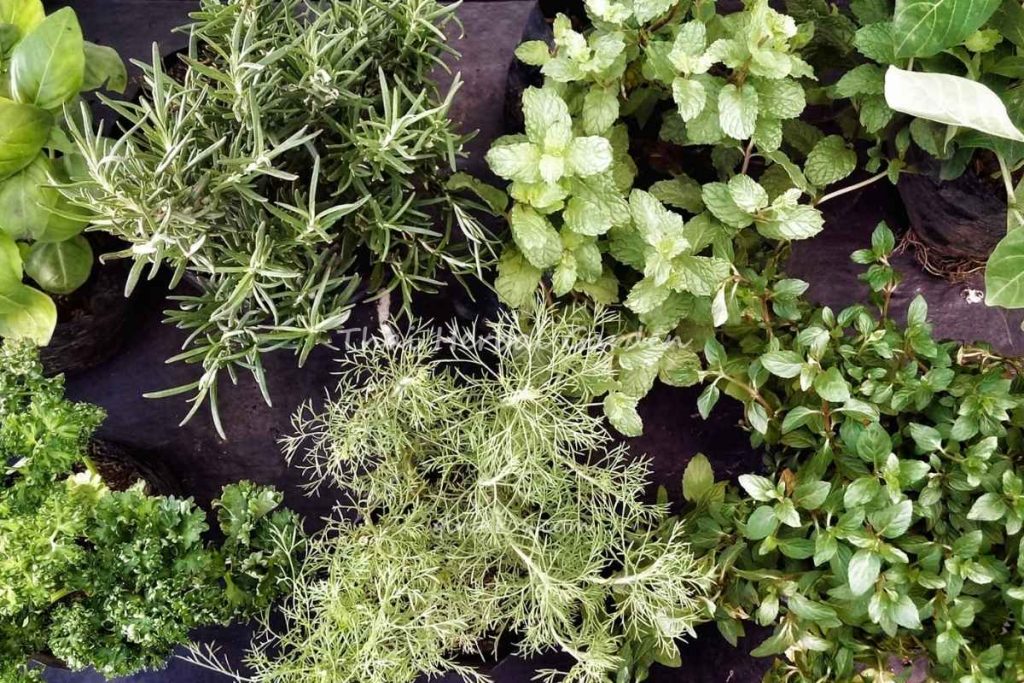
You do not need a large space to begin. A few pots of lemongrass, Thai basil, mint, coriander, pandan, or chilli can already make home cooking more enjoyable.
👉 “Readers learning about Thai herbs may also enjoy these easy Thai home cooking ideas from GinAroy.”
Why A Thai Herbal Garden Is Useful
A Thai Herbal Garden is useful because Thai cooking often depends on fresh herbs. Dried herbs may work for some dishes, but many Thai recipes taste better when the herbs are fresh.
Fresh herbs can help with:
- Soups
- Curries
- Stir-fries
- Salads
- Noodle dishes
- Rice dishes
- Dipping sauces
- Herbal drinks
- Desserts
- Garnishes
- Marinades
- Home-style meals
Having herbs nearby makes cooking easier. Instead of buying a whole bundle from the market, you can cut what you need and use it fresh.
Thai Herbs Make Food More Aromatic
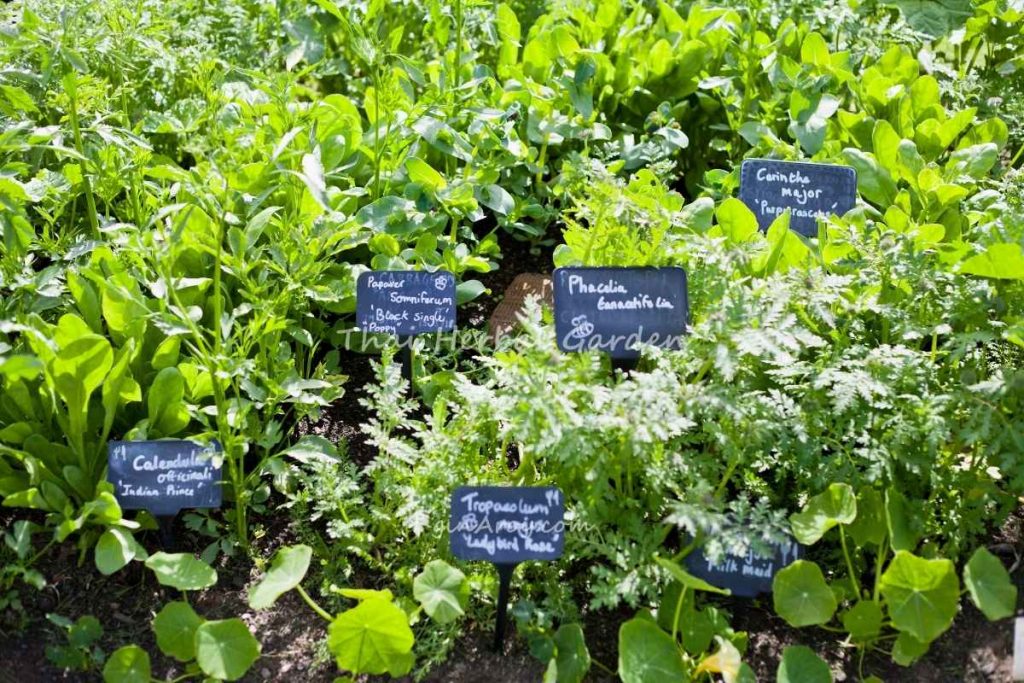
Thai herbs are powerful because they add aroma as well as flavour. A bowl of tom yum smells different because of lemongrass, kaffir lime leaves, galangal, and chilli. A plate of pad krapao tastes special because of holy basil. A Thai dessert can smell soft and sweet because of pandan.
A Thai Herbal Garden can include herbs for many different flavours:
- Fresh and citrusy
- Sweet and soft
- Spicy and warm
- Earthy and deep
- Peppery and bright
- Cooling and refreshing
- Floral and colourful
This variety is one reason Thai cooking feels so lively.
Lemongrass
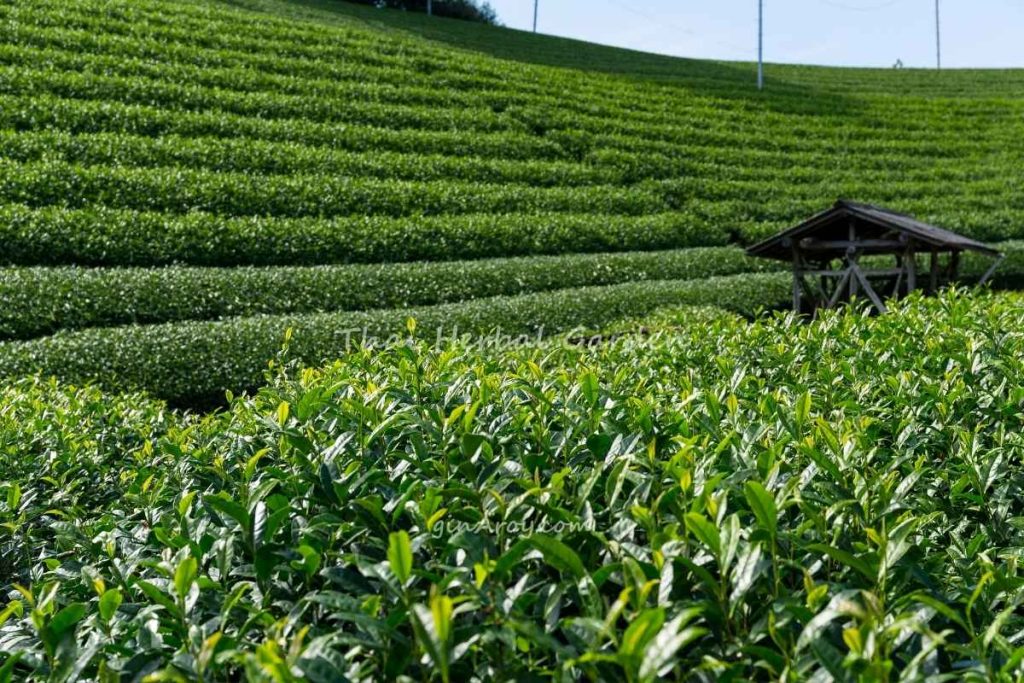
Lemongrass is one of the most important herbs in Thai cooking. It has a fresh citrus-like scent and is used in soups, curries, teas, marinades, and herbal drinks.
Lemongrass is common in:
- Tom yum
- Tom kha
- Curry paste
- Grilled meat marinades
- Lemongrass tea
- Herbal drinks
- Seafood dishes
- Thai salads
Lemongrass grows well in warm weather and can become tall and strong. It is a good choice for a Thai Herbal Garden because it is useful and beautiful.
To use it in cooking, remove the tough outer layers, bruise the stalk, and slice the tender part. For soups, larger pieces can be added for aroma and removed before eating.
Thai Basil
Thai basil has a sweet, slightly spicy aroma. It is often used in Thai curries, stir-fries, noodle dishes, and fresh garnishes.
Thai basil is good for:
- Green curry
- Red curry
- Stir-fried noodles
- Thai basil chicken
- Soups
- Fresh herb plates
- Rice dishes
Thai basil grows well in pots and likes warmth and sunlight. Pick the leaves regularly to encourage new growth.
In a Thai Herbal Garden, Thai basil is one of the most rewarding herbs because it grows quickly and adds instant Thai flavour.
Holy Basil
Holy basil is known in Thai as krapao. It has a stronger, peppery aroma compared with Thai basil. It is best known for pad krapao, one of Thailand’s most popular everyday dishes.
Holy basil is used in:
- Pad krapao
- Stir-fries
- Spicy meat dishes
- Egg dishes
- Rice meals
- Home-style Thai cooking
Holy basil tastes best when cooked quickly over high heat. Add the leaves near the end of cooking so the aroma stays fresh.
If you enjoy Thai street food, holy basil is a very useful plant to grow.
Mint
Mint is fresh, cooling, and easy to use. It is common in Thai salads, spicy dishes, drinks, and herb plates.
Mint works well in:
- Larb
- Yum salads
- Fresh spring rolls
- Herbal drinks
- Iced tea
- Fruit drinks
- Noodle toppings
- Fresh herb plates
Mint can grow quickly, so it is often better to keep it in a pot. This helps stop it from spreading too much.
A small pot of mint can make a Thai Herbal Garden feel fresh and useful every day.
Coriander
Coriander is widely used in Thai cooking. The leaves, stems, and roots can all be useful. Coriander leaves are often used as garnish, while coriander roots are important in curry pastes, marinades, soups, and sauces.
Coriander is used in:
- Soups
- Curries
- Dipping sauces
- Marinades
- Fried garlic and pepper dishes
- Noodle soups
- Rice dishes
- Fresh garnishes
Coriander can be a little sensitive to heat, so it may need care in very hot weather. Grow it in a spot with morning sun and some afternoon shade if needed.
Pandan
Pandan is loved for its soft, sweet, green aroma. It is used in Thai desserts, drinks, rice dishes, and coconut recipes.
Pandan is common in:
- Pandan water
- Coconut desserts
- Sticky rice
- Thai sweets
- Custards
- Cakes
- Herbal drinks
- Rice aroma
Pandan leaves are often tied into a knot and added to liquids for fragrance.
A Thai Herbal Garden with pandan can support both savoury cooking and sweet Thai recipes.
Kaffir Lime
Kaffir lime is an important ingredient in Thai cooking. The leaves are especially useful for soups, curries, stir-fries, and curry pastes. The peel can also be used in some curry pastes.
Kaffir lime leaves are used in:
- Tom yum
- Tom kha
- Red curry
- Green curry
- Panang curry
- Jungle curry
- Stir-fries
- Herbal drinks
- Curry paste
The leaves are usually torn or finely sliced before cooking. Tearing the leaf helps release the aroma.
Kaffir lime can grow in a pot, but it needs sunlight and care. For many Thai cooks, it is one of the most valuable plants in a Thai Herbal Garden.
Galangal
Galangal looks similar to ginger, but the flavour is different. It has a sharper, more citrusy, earthy aroma. Galangal is important in tom kha, tom yum, curry pastes, and many Thai soups.
Galangal is used in:
- Tom kha
- Tom yum
- Curry paste
- Herbal soups
- Seafood dishes
- Meat dishes
- Thai marinades
Galangal grows from rhizomes and needs warm weather. It can take time to grow, but it is useful for people who cook Thai food often.
Fresh galangal gives Thai soups a flavour that is hard to replace.
Turmeric
Turmeric is known for its golden colour and earthy flavour. It is especially common in southern Thai cooking, curry pastes, soups, and some herbal drinks.
Turmeric is used in:
- Yellow curry
- Southern Thai curries
- Curry paste
- Soups
- Stir-fries
- Herbal drinks
- Rice dishes
- Marinades
Turmeric can stain hands, clothes, cutting boards, and kitchen surfaces, so handle it carefully.
In a Thai Herbal Garden, turmeric is useful for both flavour and colour.
Ginger
Ginger is not unique to Thai cooking, but it is very useful in Thai kitchens. It brings warmth and sharpness to soups, stir-fries, drinks, and desserts.
Ginger works well in:
- Ginger tea
- Chicken dishes
- Fish dishes
- Soups
- Stir-fries
- Herbal drinks
- Sweet soups
- Thai desserts
Ginger can be grown from fresh rhizomes. It likes warm, humid conditions and can grow well in containers.
For everyday cooking, ginger is one of the easiest herbs to use often.
Chilli
Chilli is important in Thai cooking, but you can choose the heat level that works for your family. Thai food can be spicy, but not every Thai dish needs to be extremely hot.
Chilli is used in:
- Curry paste
- Dipping sauces
- Stir-fries
- Soups
- Salads
- Noodle dishes
- Fried rice
- Seafood dishes
Growing chilli at home can be fun because the plants are colourful and useful.
For family cooking, keep chilli separate and let each person add their own amount.
Butterfly Pea
Butterfly pea is known for its beautiful blue flowers. It is often used in drinks, desserts, rice, and natural colour in Thai cooking.
Butterfly pea can be used in:
- Blue herbal tea
- Colourful rice
- Thai desserts
- Lemon drinks
- Iced drinks
- Natural food colouring
When lime is added to butterfly pea tea, the colour may change from blue to purple. This makes it fun for family drinks and desserts.
Butterfly pea can grow as a climbing plant, so it may need support.
Choosing Herbs For Beginners
Beginners do not need to plant everything at once. Start with herbs you will actually use.
Good beginner choices include:
- Lemongrass
- Thai basil
- Holy basil
- Mint
- Pandan
- Chilli
- Coriander
These herbs are useful, familiar, and suitable for many Thai recipes.
A small Thai Herbal Garden can begin with only three pots. For example, lemongrass, Thai basil, and mint can already support soups, curries, stir-fries, salads, and drinks.
Growing Thai Herbs In Pots
You do not need a large garden. Many Thai herbs can grow in pots on a balcony, terrace, kitchen area, or sunny corner.
Pot growing tips include:
- Choose pots with drainage holes
- Use good soil
- Place herbs where they get sunlight
- Water regularly but avoid waterlogging
- Pick leaves often
- Remove dead leaves
- Keep strong growers in separate pots
- Move delicate herbs away from harsh afternoon sun
- Watch for insects
- Use clean scissors when harvesting
Pots also make it easier to move plants during heavy rain or extreme heat.
Sunlight And Water
Most Thai herbs enjoy warmth and light, but they still need the right balance. Too little sunlight can make plants weak, while too much heat can dry them quickly.
General tips:
- Give most herbs several hours of sunlight
- Water when the soil feels dry
- Avoid leaving roots in standing water
- Use mulch if pots dry too fast
- Give coriander some shade in hot weather
- Water in the morning when possible
- Check pots during very hot days
A healthy Thai Herbal Garden depends on simple daily care.
Harvesting Thai Herbs
Harvesting correctly helps herbs grow better. Do not remove all leaves at once. Take what you need and leave enough for the plant to continue growing.
Harvesting tips include:
- Pick basil leaves regularly
- Cut lemongrass stalks near the base
- Take mint tips to encourage bushy growth
- Pick pandan leaves from mature plants
- Use kaffir lime leaves carefully
- Dig rhizomes only when mature
- Wash herbs before cooking
- Use herbs soon after picking
Freshly picked herbs often have stronger aroma than herbs stored for many days.
How To Use Thai Herbs In Cooking
A Thai Herbal Garden becomes most useful when you connect it to real meals.
Simple ideas include:
- Add lemongrass to soup
- Use Thai basil in curry
- Cook holy basil in stir-fry
- Add mint to salads
- Use coriander as garnish
- Make pandan water
- Add kaffir lime leaves to curry
- Use galangal in tom kha
- Add turmeric to yellow curry
- Make ginger tea
- Use chilli in dipping sauce
- Add butterfly pea to drinks
The more you cook, the more natural herb use becomes.
Simple Thai Dishes For Fresh Herbs
Fresh herbs can improve many easy Thai dishes.
Good dishes to try include:
- Tom yum soup
- Tom kha gai
- Green curry
- Red curry
- Yellow curry
- Pad krapao
- Larb
- Thai omelette with herbs
- Fried rice with basil
- Lemongrass chicken
- Thai noodle soup
- Mango sticky rice with pandan aroma
- Herbal iced tea
- Coconut desserts
These dishes show why a Thai Herbal Garden is useful for everyday cooking.
Herbal Drinks From The Garden
Thai herbs are not only for meals. They can also be used in simple drinks.
Easy herbal drink ideas include:
- Lemongrass tea
- Pandan water
- Ginger tea
- Butterfly pea tea
- Mint iced tea
- Roselle drink
- Lime and butterfly pea drink
- Herbal iced tea with honey
- Warm ginger drink
- Lemongrass and pandan tea
Keep drinks simple and avoid making strong health claims. For ginaroy.com, herbal drinks can be presented as refreshing, aromatic, and enjoyable.
Thai Herb Storage Tips
Fresh herbs taste best when used soon after harvesting, but some can be stored for a short time.
Storage tips include:
- Wrap soft herbs in a damp towel
- Keep herbs in the refrigerator if needed
- Store lemongrass in a sealed bag
- Freeze kaffir lime leaves
- Freeze sliced galangal
- Dry some herbs for later use
- Keep roots clean and dry
- Use fresh basil quickly
- Avoid washing herbs too early if storing
Good storage reduces waste and keeps Thai cooking easier.
Common Mistakes To Avoid
Avoid these common mistakes when starting a Thai Herbal Garden:
- Planting too many herbs at once
- Using pots without drainage
- Overwatering
- Forgetting sunlight
- Harvesting too much at once
- Not using the herbs in cooking
- Planting mint directly in the ground without control
- Letting basil flower too early
- Using old soil
- Ignoring insects
- Expecting every herb to grow the same way
- Buying herbs you never cook with
Start small and learn as you grow.
Simple Thai Herbal Garden Plan
A simple beginner garden can include:
- Lemongrass for soups and drinks
- Thai basil for curries
- Holy basil for stir-fries
- Mint for salads and drinks
- Pandan for desserts and water
- Chilli for sauces
- Coriander for garnish and roots
This small setup gives you many cooking options without feeling overwhelming.
If you have more space, add kaffir lime, galangal, turmeric, ginger, butterfly pea, and roselle.
Simple Checklist Before You Start
Use this checklist before planting:
- I chose herbs I will use in cooking
- I have pots with drainage
- I have good soil
- I checked sunlight
- I know how often to water
- I planned where to place each herb
- I will start small
- I will harvest gently
- I will use herbs in real recipes
- I will watch for pests
- I will learn as I grow
A simple plan makes the garden easier to maintain.
👉 “Readers learning about a Thai herbal garden may also enjoy this guide to Thai Herbs in Traditional Medicine and Cooking.”
Conclusion
A Thai Herbal Garden is a practical and enjoyable way to bring Thai flavour into everyday home cooking. Fresh lemongrass, Thai basil, holy basil, mint, coriander, pandan, kaffir lime, galangal, turmeric, ginger, chilli, and butterfly pea can make meals, drinks, soups, curries, and desserts more aromatic.
For ginaroy.com readers, the best approach is to start small. Choose herbs you already enjoy eating, grow them in pots if space is limited, and use them often in simple Thai recipes.
A Thai Herbal Garden does not need to be perfect. Even a few fresh herbs can make home cooking feel more colourful, fragrant, and connected to Thai food culture.
With patience and regular care, your garden can become a small daily source of flavour, freshness, and cooking inspiration.
FAQ
What Is A Thai Herbal Garden?
A Thai Herbal Garden is a garden or pot collection of herbs commonly used in Thai cooking, drinks, soups, curries, salads, and desserts.
What Herbs Should I Grow First?
Good beginner herbs include lemongrass, Thai basil, holy basil, mint, coriander, pandan, and chilli.
Can I Grow Thai Herbs In Pots?
Yes. Many Thai herbs grow well in pots if they have drainage, sunlight, good soil, and regular watering.
What Is The Most Useful Herb For Thai Cooking?
Lemongrass, Thai basil, holy basil, kaffir lime leaves, and coriander are among the most useful Thai cooking herbs.
Can I Use A Thai Herbal Garden For Drinks?
Yes. Lemongrass, pandan, ginger, butterfly pea, mint, and roselle can be used for simple Thai herbal drinks.
Is Thai Basil The Same As Holy Basil?
No. Thai basil has a sweeter aroma, while holy basil has a stronger peppery taste and is commonly used in pad krapao.
Does Lemongrass Grow Easily?
Yes. Lemongrass usually grows well in warm weather and can be planted in the ground or in a large pot.
Can I Grow Kaffir Lime At Home?
Yes, kaffir lime can grow in a pot or garden if it gets enough sunlight and care. The leaves are very useful in Thai cooking.
How Often Should I Water Thai Herbs?
Water when the soil feels dry, but avoid leaving the roots in standing water. Different herbs may need different amounts.
Why Is A Thai Herbal Garden Good For Home Cooking?
A Thai Herbal Garden gives you fresh herbs nearby, making Thai soups, curries, stir-fries, salads, drinks, and desserts more fragrant and flavourful.