- Introduction: The quiet magic behind great massages
- The cultural roots of Thai balms and oils
- Why choose a thai herbal balm for muscle pain relief? (Primary focus)
- Best thai massage oil for sore muscles: when glide beats grip
- Spotlight ingredient: Plai oil benefits for massage
- Ingredients decoded: what’s in the jar (and why it helps)
- How to apply: practical routines for busy people
- Safety first: smart use for everyone at home
- Building your personal toolkit: balm, oil, or both?
- Balm vs. oil: at-a-glance comparison
- Ingredient spotlights for savvy shoppers
- Buying guide: how to choose authentic products
- Sample 7-day routine (realistic and doable)
- Simple do-it-right checklist
- Conclusion: Small jars, big difference
- Frequently asked questions
Introduction: The quiet magic behind great massages
Walk into a Thai massage room and you’ll smell lemongrass, mint, ginger, and camphor before you feel the first knead. While technique matters, many of the results we love come from what’s on the therapist’s hands: balms and oils crafted from herbs used for centuries. This guide shines a light on how to choose and use thai herbal balm for muscle pain relief, how to pick the best thai massage oil for sore muscles, and the real-world plai oil benefits for massage that athletes, office workers, and busy parents swear by.
We’ll look at the cultural roots of these remedies, compare warming vs cooling formulas, show when to reach for a balm instead of oil (and vice versa), and share shopping tips for authentic Thai products. By the end, you’ll know how to use thai herbal balm for muscle pain relief at home, what makes the best thai massage oil for sore muscles so effective for deep tissue work, and why plai oil benefits for massage are praised for easing stiffness after workouts or long days at a desk.
Looking to deepen your knowledge of traditional massage? Don’t miss our guide on 10 Thai herbs for massage therapy benefits.
The cultural roots of Thai balms and oils
Long before modern sports gels, Thai healers blended botanicals to soothe aches, calm the mind, and support mobility. In traditional Thai medicine, discomfort isn’t just a physical glitch; it’s a whole-body signal. That’s why massage is paired with aromatic formulas designed to warm, cool, or open up the senses.
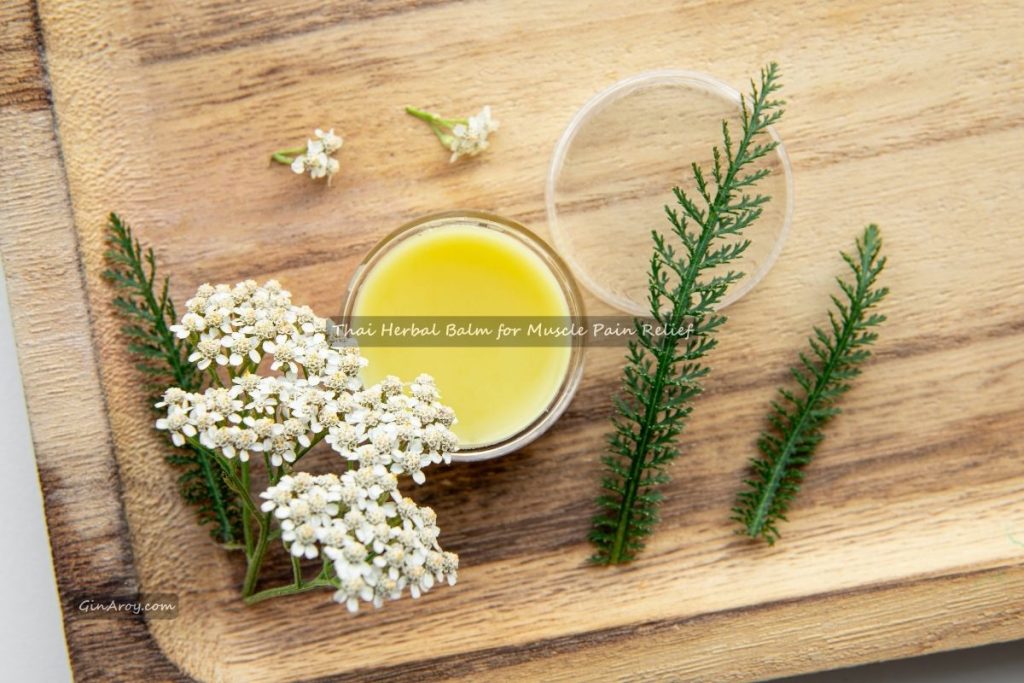
Common ingredients you’ll find in thai herbal balm for muscle pain relief include menthol, camphor, wintergreen (a source of methyl salicylate), capsicum, eucalyptus, lemongrass, ginger, turmeric, galangal, kaffir lime, and the local superstar plai (Zingiber cassumunar). These elements don’t just smell nice; they create sensations—cooling for quick relief, warming for stiffness—that complement thumb presses, stretches, and palm kneads.
You’ll also hear everyday Thai words for these helpers: ya mong (ยาหม่อง, balm) and namman (น้ำมัน, oil). Whether your goal is gentle relaxation or focused sports recovery, there’s a formula to match.
Why choose a thai herbal balm for muscle pain relief? (Primary focus)
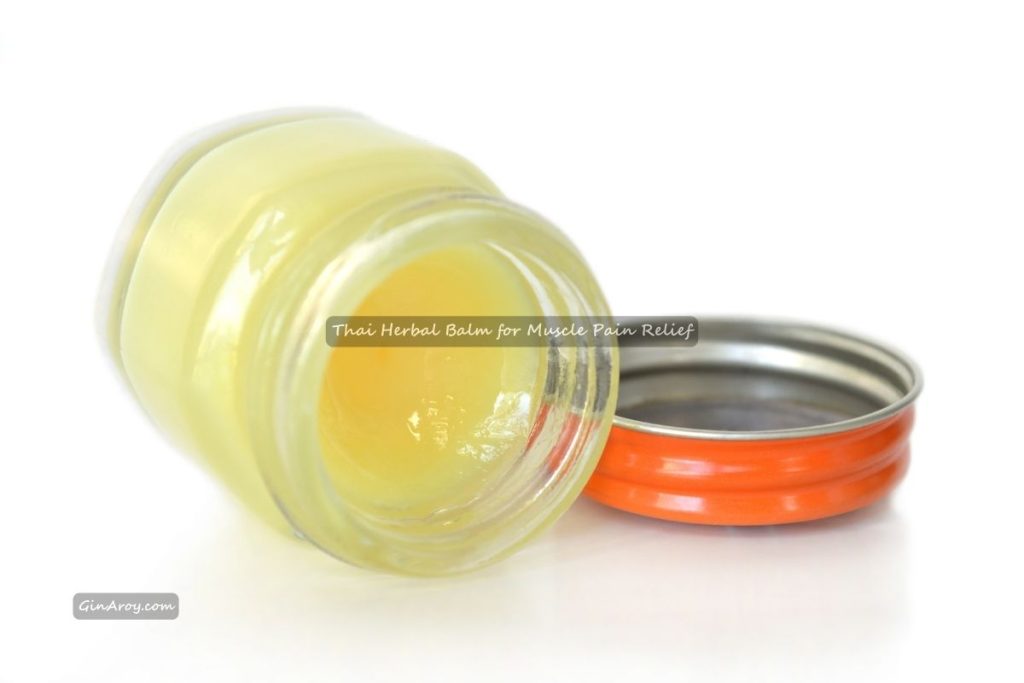
If your pain is pinpointed—think a knot beside the shoulder blade, a tight calf, or a cranky lower back—thai herbal balm for muscle pain relief is a go-to. Balms are semi-solid and stay where you put them, so you can target specific areas without getting everything else slick. Their typical “counter-irritant” blend provides sensations that distract from pain while promoting circulation.
How balms work in practice
- Cooling action: Menthol and eucalyptus generate a fresh chill, which many people find calming for acute aches.
- Warming action: Camphor, capsicum, and sometimes ginger add heat, great for stiff joints or that first stretch on winter mornings.
- Analgesic support: Wintergreen brings methyl salicylate, long used in topical pain relief.
When to reach for a balm
- That one stubborn knot in the trapezius
- Calf tightness after a run
- Tweaky knees from squats or weekend hikes
- Localized back pain that flares after desk time
Cooling vs. warming: quick guide
- Cooling balms: fresher feel, nice for hot climates, good for “angry” or acute sensations
- Warming balms: comforting heat, helpful for morning stiffness or cold weather
Used correctly, thai herbal balm for muscle pain relief offers focused, clean application with minimal mess—ideal before bed, after a shower, or between meetings.
Curious about natural wellness secrets? Explore our feature on the healing power of Thai herbal remedies.
Best thai massage oil for sore muscles: when glide beats grip
Sometimes, you need glide. The best thai massage oil for sore muscles enables longer, deeper strokes that move toxins, relax fascia, and ease larger areas like quads, hamstrings, IT bands, and the back. Oils can slip into a routine that blends Swedish-style flow with Thai stretches, making them perfect for home self-care or a partner massage.
What to look for in the best thai massage oil for sore muscles
- Balanced base oils: Fractionated coconut, rice bran, or sesame provide smooth glide and moderate absorption.
- Therapeutic aromatics: Lemongrass for an uplifting zing; ginger or turmeric for comforting spice; kaffir lime for clarity.
- Non-greasy finish: High-quality blends absorb well so you’re not tacky for hours.
Where oils excel
- Covering big, sore areas post-workout
- Deep tissue and sports massage
- Assisted stretching and mobility work
- Longer sessions where you want to keep moving without reapplying
Balms and oils are teammates, not rivals. Use thai herbal balm for muscle pain relief for precise hotspots and the best thai massage oil for sore muscles when your whole lower body screams after leg day.
Spotlight ingredient: Plai oil benefits for massage
Ask Thai therapists about their secret weapon and many will say plai. Derived from Zingiber cassumunar, plai is a cousin of ginger with its own aroma profile—earthy, slightly sweet, and soothing. You’ll encounter plai oil benefits for massage in blends geared toward sports recovery and deep muscle ease.
Plai oil benefits for massage at a glance
- Comforts overworked muscles during DOMS (delayed onset muscle soreness)
- Pairs well with warming oils (ginger, turmeric) for stiffness
- Balances well with cooling notes (menthol, eucalyptus) for post-exercise freshness
How to use plai oil safely in massage
- Always do a patch test on the inner forearm.
- Dilute appropriately: most pre-blended Thai massage oils already get this right.
- Avoid sensitive areas and broken skin.
- During pregnancy or with medical conditions, consult a professional before use.
It’s easy to experience plai oil benefits for massage at home: massage two to three pumps into the quads after cycling, or combine a drop with your regular oil for shoulder mobility sessions.
Ingredients decoded: what’s in the jar (and why it helps)
Understanding labels helps you choose smarter. Here’s how common components in thai herbal balm for muscle pain relief and in the best thai massage oil for sore muscles work together:
- Menthol (peppermint derivatives): Cooling tingle that many perceive as soothing.
- Camphor: Classic warming, often used in traditional formulas.
- Wintergreen (methyl salicylate): A time-tested topical analgesic; handle with care and don’t layer excessively with other salicylates.
- Capsicum: Warmth that builds gradually; great for stiff joints or cold mornings.
- Eucalyptus: Fresh, opening aroma; complements cooling blends.
- Lemongrass: Energizing scent; popular in spa-style oils.
- Ginger & Turmeric: Warming botanicals loved for comfort and mobility rituals.
- Plai (Zingiber cassumunar): The hero of many sports blends—see plai oil benefits for massage above.
Balm vs. oil—functionally
- Balm: Pinpoint relief, less mess, longer “stay” on a small area.
- Oil: Broad coverage, deeper strokes, ideal for long sessions.
Whether you lean warming or cooling, the goal is the same: consistent, mindful application that matches the day’s needs.
How to apply: practical routines for busy people
A great product still needs a good routine. Here’s a simple plan to get results from thai herbal balm for muscle pain relief and from the best thai massage oil for sore muscles.
Morning stiffness (5 minutes)
- Hot shower or warm towel over the tight area.
- Light mobility: neck rolls, hip circles, ankle pumps.
- Dab thai herbal balm for muscle pain relief on stubborn spots (neck base, lumbar edges, knees).
- Optional: a pea-sized amount behind the shoulders before commuting.
Post-workout flush (8–10 minutes)
- Two pumps of the best thai massage oil for sore muscles for the hamstrings and calves.
- Long strokes toward the heart; add cross-fiber friction to knots.
- Finish with a fingertip of thai herbal balm for muscle pain relief on any point that still nags.
- Hydrate; do a few easy stretches.
Desk recovery (3 minutes)
- Shoulder shrugs and doorway chest stretch.
- Small amount of thai herbal balm for muscle pain relief around upper traps.
- Gentle self-massage along the forearms if you type a lot.
Bedtime wind-down (5 minutes)
- Warm bath or foot soak.
- Foot massage with a little oil; trace the arches and heels.
- For a persistent hotspot, spot-apply thai herbal balm for muscle pain relief and let that cozy warmth or coolness settle as you read.
Safety first: smart use for everyone at home
Topicals feel straightforward, but a few guidelines keep things pleasant:
- Patch test: Inner forearm, 24 hours.
- Less is more: Especially with wintergreen or capsicum.
- Hands off eyes and mucous membranes: Wash hands after use.
- Kids & pregnancy: Choose gentler formulas; when unsure, consult a professional.
- Don’t mix too many actives: Layering multiple products that all contain menthol/salicylates can be too intense.
- Know when to see a pro: Severe, unexplained, or persistent pain deserves medical attention.
Used with care, thai herbal balm for muscle pain relief can be part of a daily ritual, and the best thai massage oil for sore muscles can support both weekend warriors and desk athletes alike.
Building your personal toolkit: balm, oil, or both?
You don’t need a cabinet full of jars. A smart, minimalist setup usually covers everything:
- Cooling balm for acute, “angry” feelings (post-run calves, hot weather days).
- Warming balm for morning stiffness or after flights.
- Neutral base oil + targeted blend (lemongrass/ginger or lemongrass/plai) for broad coverage sessions.
- Optional roll-on liniment for quick, on-the-go applications.
Think of thai herbal balm for muscle pain relief as your spot treatment and the best thai massage oil for sore muscles as your full-body support.
Balm vs. oil: at-a-glance comparison
- Precision: Balm wins.
- Session length: Oil wins.
- Mess factor: Balm is tidier for clothes/linens.
- Stretch pairing: Oil glides better during Thai-style stretches.
- Heat vs. cool: Both exist in each category; pick based on the day’s need.
- Travel: Balms are carry-on friendly and less likely to spill.
Many households keep both. Use the one that fits your moment.
Ingredient spotlights for savvy shoppers
When browsing labels for thai herbal balm for muscle pain relief, note these combos:
- Cooling comfort: Menthol + eucalyptus + lemongrass
- Warm relief: Camphor + capsicum + ginger/turmeric
- Sports recovery: Plai + ginger + a touch of wintergreen
And for the best thai massage oil for sore muscles:
- Spa-style uplift: Lemongrass, kaffir lime, and a light base oil
- Deep tissue: Plai-forward blends with ginger or turmeric
- Evening unwind: Lavender or ylang-ylang accents (less traditional but soothing)
Buying guide: how to choose authentic products
The Thai market has countless options, from classic shop-house brands to boutique spa lines. A few quick checks help you pick wisely:
- Clear ingredient list: Look for recognizable botanicals and sensible concentrations.
- Scent profile: Fresh and balanced; overly sharp or synthetic can be a red flag.
- Texture and absorption: Balms should spread easily without waxy buildup; oils should glide then settle.
- Packaging: Roll-ons for gym bags, jars or sticks for home, pump bottles for oils.
- Source & reputation: Buy from reputable retailers, especially for wintergreen/capsicum formulas.
When in doubt, start small: a travel-size thai herbal balm for muscle pain relief plus a modest bottle of the best thai massage oil for sore muscles is a smart trial.
Sample 7-day routine (realistic and doable)
Day 1 (Legs): Oil your quads and calves post-workout; finish with thai herbal balm for muscle pain relief on trouble spots.
Day 2 (Back): Light mobility + warming balm along the lumbar edges.
Day 3 (Shoulders): Desk break with cooling balm on upper traps; later, partner massage with lemongrass oil.
Day 4 (Hips): Hip openers; emphasize plai oil benefits for massage by using a plai-forward blend across glutes and IT band.
Day 5 (Knees): Tiny touch of warming balm before a gentle walk; ice or cool soak afterward if needed.
Day 6 (Feet): Evening foot massage with a neutral oil; a whisper of balm across arches.
Day 7 (Reset): Bath, breathing practice, and only a drop of oil on the neck for relaxation.
Stay consistent. Over a few weeks, many people notice easier mornings, fewer cranky muscles, and a calmer headspace.
Simple do-it-right checklist
- Patch test new products.
- Match product to moment: cooling vs. warming, balm vs. oil.
- Respect dosage; a little goes a long way.
- Wash hands after application.
- Store cool and capped; heat and light degrade aromas.
- For persistent pain, consult a clinician or licensed therapist.
Conclusion: Small jars, big difference
Thai massage is world-famous for a reason, and the tools behind it matter. A thoughtfully chosen thai herbal balm for muscle pain relief can transform how your shoulder feels by bedtime. The best thai massage oil for sore muscles can turn a sore-leg day into a deep, soothing recovery session. And once you experience plai oil benefits for massage, you’ll understand why therapists keep it close.
Start with one balm and one oil. Use them with intention. Listen to your body’s response. With a few minutes a day, you’ll build a ritual that respects tradition and serves modern life—one comforting breath, one loosened knot, one calmer evening at a time.
Frequently asked questions
1) Is thai herbal balm for muscle pain relief safe for daily use?
Generally, yes when used as directed. Start small, watch your skin, and avoid layering many menthol/salicylate products at once.
2) What makes the best thai massage oil for sore muscles different from regular body oil?
Therapeutic blends include aromatic botanicals (lemongrass, ginger, eucalyptus, plai) and are formulated for glide without leaving you greasy for hours.
3) Can I combine balm and oil in the same session?
Absolutely. Use the oil first for broad coverage. Then tap a fingertip of thai herbal balm for muscle pain relief on any lingering hotspots.
4) What are the key plai oil benefits for massage?
Comfort around overworked muscles, a balanced aroma, and compatibility with both warming and cooling companions. Many therapists prize plai oil benefits for massage in sports contexts.
5) Cooling or warming—which should I choose?
If the area feels hot or irritated, try cooling. If you’re stiff or chilled, warming can feel lovely. Some days you’ll want both in different places.
6) Will these help headaches or congestion?
Some people enjoy a tiny dab of cooling balm on temples (avoid eyes) or a chest rub for a “breathing” effect. Always patch test first and use sparingly.
7) Are these suitable for runners or Muay Thai training?
Yes. Many runners use the best thai massage oil for sore muscles after long runs, and Muay Thai practitioners often carry a roll-on or liniment. Keep thai herbal balm for muscle pain relief for pinpoint post-training spots.