- Introduction
- Why Food Is Central To Thai Celebrations
- Regional Diversity At Thai Food Festivals
- Temple Fairs And Community Food
- Food And Merit-Making
- Songkran Food Traditions
- Khao Chae During The Hot Season
- The Vegetarian Festival
- Understanding Jay Food
- Phuket Vegetarian Festival
- Chinese New Year Food In Thailand
- Loy Krathong And Festival Snacks
- Local Seafood Festivals
- Fruit Festivals
- Durian Festivals
- Mango And Mango Sticky Rice Events
- Rice And Harvest Celebrations
- Street Food Festivals
- Regional Cooking Demonstrations
- Traditional Thai Desserts
- Banana-Leaf Cooking
- Herbal Drinks
- Local Products And Community Businesses
- Food Safety At Festivals
- Managing Food Allergies
- Vegetarian And Vegan Choices
- Respectful Photography
- Reducing Waste
- Planning A Visit
- How To Taste More Without Overeating
- Questions To Ask Vendors
- Common Misunderstandings
- Conclusion
- FAQ
- What Are Thai Food Festivals?
- When Do Thai Food Festivals Take Place?
- What Food Can Visitors Expect?
- Is The Vegetarian Festival Only About Food?
- Are Thai Food Festivals Suitable For Families?
- Can Vegetarians Find Suitable Food?
- Are Food Festivals Expensive?
- How Can Visitors Avoid Foodborne Illness?
- Can People With Allergies Eat At Thai Food Festivals?
- What Is The Best Way To Enjoy A Thai Food Festival?
Introduction
Food plays an important role in celebrations throughout Thailand. Community events, temple fairs, religious observances, seasonal markets, regional gatherings, and tourism festivals often bring people together around shared meals and local specialities.
Thai food festivals offer visitors a chance to experience more than familiar restaurant dishes. Depending on the location, stalls may serve regional curries, grilled meats, noodles, seafood, herbal drinks, tropical fruit, rice dishes, snacks, and traditional sweets.
Some events focus specifically on one ingredient or local product. Others combine food with music, cultural performances, merit-making, parades, markets, and family activities. The atmosphere may range from a small community fair to a major city event attracting visitors from across Thailand.
The exact dates, scale, and programme can change from year to year. Weather, local authorities, religious calendars, and community decisions may all affect how an event is organised. Travellers should therefore verify current details before making plans.
This guide explains what makes Thai food festivals special, which celebrations commonly feature traditional food, what visitors may find, and how to enjoy these events respectfully and safely.
👉 “Readers who enjoy practical cooking inspiration can also visit the GinAroy home cooking channel for easy Thai recipes, healthy meal ideas, and everyday cooking videos.”
Why Food Is Central To Thai Celebrations
Thai meals are often shared, making food naturally suited to community gatherings. Instead of each person ordering a separate dish, families and friends may place several dishes in the centre and eat them together with rice.

Food at festivals can express:
- Hospitality
- Regional identity
- Religious tradition
- Seasonal abundance
- Community cooperation
- Family connection
- Local pride
- Culinary knowledge
At many Thai food festivals, recipes are not presented only as commercial products. They may also represent a village, province, family tradition, occupation, or agricultural community.
A dessert may be associated with a religious occasion, while a seafood dish may reflect the economy of a coastal town. A northern curry or northeastern salad can introduce visitors to flavours rarely found in general tourist restaurants.
Regional Diversity At Thai Food Festivals
Thailand’s regional cuisines have different ingredients, cooking methods, and flavour preferences.

Central Thai cuisine may include:
- Coconut-based curries
- River fish
- Jasmine rice
- Balanced sweet and savoury flavours
- Elaborate desserts
Northern Thai cuisine may feature:
- Khao soi
- Sai ua sausage
- Nam prik dips
- Sticky rice
- Herbal curries
Northeastern Thai cuisine may include:
- Som tam
- Larb
- Grilled chicken
- Sticky rice
- Fermented fish
- Spicy dipping sauces
Southern Thai cuisine is known for:
- Seafood
- Turmeric
- Strong curry pastes
- Coconut
- Fresh herbs
- Intense spice
Regional Thai food festivals allow local cooks to present dishes connected to their own landscapes, climate, farming, fishing, and cultural history.
Temple Fairs And Community Food
Temple fairs are among the most familiar community events in Thailand. They may be organised around religious occasions, local anniversaries, fundraising, or seasonal celebrations.

Food stalls can offer:
- Grilled chicken
- Noodles
- Fried snacks
- Curries with rice
- Sausages
- Fresh fruit
- Coconut sweets
- Herbal drinks
- Ice desserts
- Pancakes
The food at a temple fair may be simple, affordable, and prepared for immediate eating.
These events can function like informal Thai food festivals, even when food is not the official theme. Families visit to eat, socialise, make merit, enjoy performances, and support local vendors.
Visitors should dress appropriately when entering temple areas and behave respectfully near religious activities.
Food And Merit-Making
Food is often offered to monks or shared with other people as part of merit-making traditions.
Depending on the occasion, families may prepare:
- Rice
- Curries
- Fruit
- Desserts
- Packaged foods
- Drinks
- Vegetarian dishes
The purpose is different from buying food at a commercial fair. Religious offerings are connected with generosity, respect, and spiritual practice.
At Thai food festivals linked to temples or religious occasions, visitors should avoid interrupting ceremonies for photographs or treating every activity as entertainment.
Observing quietly and following local instructions creates a more respectful experience.
Songkran Food Traditions
Songkran is widely known for water celebrations, but it is also a time for family gatherings, temple visits, travel, and shared meals.
Foods vary between families and regions. People may prepare dishes that are practical for groups, suitable for hot weather, or connected with local tradition.
Some communities highlight foods such as:
- Khao chae
- Fresh fruit
- Cold drinks
- Noodles
- Grilled foods
- Regional curries
- Traditional sweets
Songkran-related markets may resemble seasonal Thai food festivals, with stalls serving local snacks and refreshing beverages.
Visitors should remember that Songkran is more than a water party. It also includes respect for elders, family reunions, religious activities, and community traditions.
Khao Chae During The Hot Season
Khao chae is a refined seasonal dish associated with Thailand’s hot months. It consists of rice served in scented chilled water with carefully prepared side dishes.
Accompaniments may include:
- Stuffed shallots
- Sweet fish
- Fried shrimp paste balls
- Sweetened meat
- Carved vegetables
- Fresh herbs
The dish requires detailed preparation and is valued for its cooling presentation.
Seasonal Thai food festivals and heritage events may feature khao chae as an example of traditional culinary craftsmanship.
It is normally eaten carefully, with the side dishes consumed separately rather than mixed heavily into the scented water.
The Vegetarian Festival
The Vegetarian Festival is one of Thailand’s most visible food-related observances, especially in communities with strong Chinese-Thai traditions.
During the festival, participating vendors may display yellow flags with red writing to identify suitable food.
Common dishes may include:
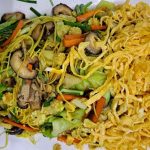
- Vegetable stir-fries
- Tofu
- Noodles
- Mushroom dishes
- Plant-based curries
- Mock meat products
- Rice dishes
- Vegetarian snacks
The event is often called the Nine Emperor Gods Festival and involves religious practices as well as dietary observance.
Although visitors may approach it as one of the major Thai food festivals, it is important to recognise its spiritual and cultural meaning.
Dietary rules can be stricter than simply avoiding meat. Some participants may also avoid certain strongly scented vegetables or follow other restrictions.
Understanding Jay Food
Thai vegetarian food associated with the festival is often called jay.
Jay food normally avoids:
- Meat
- Seafood
- Animal-derived ingredients
- Certain pungent vegetables
- Alcohol
Exact practices may vary among participants and vendors.
A dish that appears vegetable-based is not automatically jay. Fish sauce, oyster sauce, shrimp paste, broth, or egg may still be included in ordinary vegetarian-looking food.
At Thai food festivals featuring jay cuisine, clearly marked stalls help visitors make more informed choices.
People with allergies should still ask about ingredients because vegetarian labels do not guarantee that a dish is free from peanuts, soy, gluten, sesame, or cross-contact.
Phuket Vegetarian Festival
Phuket is particularly well known for its Vegetarian Festival. Food stalls form only one part of a larger religious and cultural event.
Visitors may encounter:
- Jay food markets
- Processions
- Shrine activities
- Offerings
- Community ceremonies
- Temporary street closures
The event can be intense and crowded. Some ceremonies may include practices that are not suitable for young children or sensitive viewers.
From a culinary perspective, it is one of the most distinctive Thai food festivals, offering a wide selection of plant-based noodles, rice dishes, curries, tofu, mushrooms, and sweets.
Visitors should follow local safety guidance and avoid obstructing ceremonies or processions.
Chinese New Year Food In Thailand
Chinese New Year is widely celebrated by Chinese-Thai families and communities.
Food may be prepared for:
- Family meals
- Ancestor offerings
- Temple visits
- Community gatherings
- Market celebrations
Common foods may include poultry, pork, fish, noodles, fruit, sweets, and symbolic dishes associated with prosperity, longevity, or family unity.
Markets in Chinese-Thai districts may become temporary Thai food festivals, with street stalls, decorations, performances, and seasonal products.
Food traditions differ among families, so there is no single national menu used by everyone.
Loy Krathong And Festival Snacks
Loy Krathong is associated with floating decorated baskets, riverside gatherings, lights, and cultural events.
Festival areas may contain food stalls selling:
- Grilled meat
- Noodles
- Fried snacks
- Desserts
- Fruit
- Drinks
- Coconut treats
- Local specialities
The food is not necessarily unique to Loy Krathong, but shared eating contributes to the atmosphere.
Large Loy Krathong events often function as evening Thai food festivals, especially in parks, near rivers, or around community spaces.
Visitors should dispose of food packaging responsibly and follow local guidance concerning environmentally suitable krathongs.
Local Seafood Festivals
Coastal communities may organise festivals to promote local seafood and support fishing, tourism, or regional businesses.
Depending on the location, visitors may find:
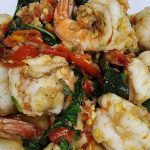
- Grilled prawns
- Crab
- Squid
- Shellfish
- Steamed fish
- Spicy seafood salads
- Seafood curries
- Dipping sauces
Seafood-focused Thai food festivals can introduce visitors to products caught or farmed in the surrounding region.
Freshness and safe storage are important. Choose busy stalls that keep raw seafood cold and cook it thoroughly.
People with shellfish allergies should be particularly cautious because shared grills, utensils, sauces, and preparation surfaces can create cross-contact.
Fruit Festivals
Thailand produces a large variety of tropical fruit. Provinces known for orchards may organise events around seasonal harvests.
Fruit on display may include:
- Durian
- Mangosteen
- Rambutan
- Longan
- Lychee
- Mango
- Pomelo
- Pineapple
- Salak
Fruit-focused Thai food festivals may offer tastings, competitions, agricultural exhibitions, orchard products, and processed foods.
Visitors can compare varieties that may look similar but differ in sweetness, aroma, texture, and price.
Fruit seasons can shift according to weather and region, so event timing may change.
Durian Festivals
Durian inspires strong opinions because of its distinctive aroma and creamy texture. Several Thai provinces grow famous varieties.
At durian events, visitors may learn about:
- Monthong
- Chanee
- Kanyao
- Regional varieties
- Ripeness
- Orchard grading
- Pricing
- Storage
Some Thai food festivals include durian buffets or timed tasting sessions.
Durian is rich and filling, so visitors may prefer smaller portions when sampling several varieties. Rules about bringing durian into hotels, public transport, or indoor spaces should also be respected.
People managing dietary or medical concerns should consider the full portion rather than treating fruit as unlimited.
Mango And Mango Sticky Rice Events
Mango is one of Thailand’s best-known fruits, and ripe mango with coconut sticky rice is an internationally recognised dessert.
Food events may feature:
- Fresh mango varieties
- Mango sticky rice
- Mango smoothies
- Mango ice cream
- Dried mango
- Mango preserves
- Green mango salads
Mango-related Thai food festivals can highlight differences between sweet ripe mangoes and sour green varieties used in salads and snacks.
Mango sticky rice combines fruit with glutinous rice, coconut milk, sugar, and salt. It is delicious but can be rich, making a shared or moderate serving practical when trying several foods.
Rice And Harvest Celebrations
Rice has deep agricultural, cultural, and economic importance in Thailand.
Community events may celebrate:
- Planting
- Harvesting
- Local rice varieties
- Farming knowledge
- Traditional tools
- Rice-based foods
- Sticky rice
- Jasmine rice
Rice-focused Thai food festivals may include cooking demonstrations, exhibitions, markets, and cultural performances.
Visitors may find rice noodles, rice cakes, sticky-rice snacks, desserts, porridge, and regional dishes.
These celebrations help connect finished food with the farmers, landscapes, and seasonal work behind it.
Street Food Festivals
Street food events bring many vendors into one organised location.
They may offer:
- Pad Thai
- Grilled skewers
- Som tam
- Noodle soup
- Fried chicken
- Seafood
- Curries
- Roti
- Thai desserts
- Herbal drinks
Large urban Thai food festivals can be convenient because visitors can compare many dishes without travelling across the city.
However, famous vendors may attract long queues, and prices can be higher than at ordinary neighbourhood markets.
A good strategy is to share small portions, allowing more dishes to be sampled without excessive waste.
Regional Cooking Demonstrations
Cooking demonstrations help visitors understand how Thai dishes are prepared.
A cook may show how to:
- Pound curry paste
- Shred green papaya
- Grill northern sausage
- Prepare coconut milk
- Wrap sweets in banana leaves
- Steam sticky rice
- Balance a dipping sauce
- Carve fruit and vegetables
These demonstrations make Thai food festivals educational as well as enjoyable.
Watching preparation also reveals how much skill can be hidden behind a simple-looking dish. Knife technique, heat control, ingredient order, and tasting all affect the final result.
Traditional Thai Desserts
Desserts are an important part of festival food.
Visitors may find:
- Khanom krok
- Mango sticky rice
- Khanom chan
- Thong yip
- Thong yod
- Foi thong
- Coconut jelly
- Sticky-rice sweets
- Banana-leaf desserts
- Fried dough
Thai sweets often use coconut milk, rice flour, mung bean, palm sugar, pandan, eggs, or tropical fruit.
At Thai food festivals, dessert stalls may demonstrate traditional moulds, steaming, layering, wrapping, and decorative techniques.
Many sweets are small, making them suitable for sharing and tasting.
Banana-Leaf Cooking
Banana leaves are frequently used to wrap, steam, grill, or present Thai food.
They may hold:
- Sticky rice
- Fish
- Custards
- Curry mixtures
- Coconut sweets
- Grilled snacks
The leaves provide a traditional appearance and may contribute a gentle aroma during cooking.
Culinary heritage areas at Thai food festivals may demonstrate folding and wrapping techniques.
The banana leaf itself is normally used as packaging or a cooking surface rather than eaten.
Herbal Drinks
Thai festivals can be hot and crowded, making drink stalls very popular.
Common beverages may include:
- Lemongrass tea
- Roselle drink
- Pandan water
- Bael fruit tea
- Chrysanthemum drink
- Butterfly pea drink
- Longan juice
- Fresh coconut water
These drinks may be colourful and refreshing, but many prepared versions contain substantial added sugar.
At Thai food festivals, visitors can ask for less sweetness when drinks are prepared individually. Plain drinking water remains important, especially during outdoor events.
Local Products And Community Businesses
Food events often support small producers and family businesses.
Products may include:
- Curry paste
- Dried fruit
- Chilli sauce
- Fermented fish
- Herbal tea
- Coconut products
- Rice
- Local snacks
- Preserved fruit
- Handmade sweets
Buying from vendors at Thai food festivals can support local income and introduce visitors to products not widely available elsewhere.
Check labels for ingredients, storage instructions, allergens, expiry dates, and manufacturer information before buying packaged food.
Food Safety At Festivals
Busy stalls can serve excellent food, but visitors should still use basic judgement.
Choose stalls where:
- Food is cooked thoroughly
- Hot food is kept hot
- Raw ingredients are kept cold
- Preparation areas appear organised
- Utensils look clean
- Vendors handle money and food carefully
- Ingredients are protected from insects
- Turnover is steady
Avoid food that has been sitting in strong heat for a long time.
Responsible enjoyment of Thai food festivals includes protecting yourself from foodborne illness while remaining fair and respectful toward vendors.
Managing Food Allergies
Thai food can contain ingredients that are not immediately visible.
Common concerns include:
- Peanuts
- Shellfish
- Fish sauce
- Shrimp paste
- Soy
- Wheat
- Egg
- Coconut
- Sesame
- Milk
Communication can be challenging in crowded festival environments.
People with serious allergies should carry written information in Thai, bring necessary medication, and avoid dishes when ingredients cannot be confirmed.
Shared grills, oils, chopping boards, and utensils make cross-contact possible at Thai food festivals.
Vegetarian And Vegan Choices
Vegetarian options may be available at many events, especially during the Vegetarian Festival.
However, vegetable dishes may still contain:
- Fish sauce
- Oyster sauce
- Shrimp paste
- Meat broth
- Egg
- Dairy
- Seafood seasoning
Clearly marked jay stalls are often easier for strict plant-based visitors, but individual requirements should still be explained.
At ordinary Thai food festivals, asking whether a dish contains meat may not be enough. Ask specifically about broth and sauces.
Respectful Photography
Colourful food and active cooking make festivals attractive for photography.
Good manners include:
- Asking before close-up portraits
- Avoiding interference with cooking
- Not blocking customers
- Respecting religious areas
- Avoiding flash during ceremonies
- Buying something when spending a long time at a stall
Vendors are working, not only performing.
Respectful behaviour helps Thai food festivals remain enjoyable for local communities as well as visitors.
Reducing Waste
Festivals can produce large amounts of packaging and leftover food.
Visitors can reduce waste by:
- Sharing portions
- Carrying a reusable bag
- Refusing unnecessary utensils
- Using provided recycling bins
- Avoiding more food than they can finish
- Carrying a refillable water bottle where permitted
- Keeping rubbish until a bin is found
Some Thai food festivals use banana leaves, paper, or reusable serving items, while others rely heavily on plastic.
Small individual choices can reduce the environmental impact of large events.
Planning A Visit
Before attending, check:
- Current dates
- Opening hours
- Location
- Transport
- Weather
- Admission fees
- Payment methods
- Event programme
- Parking
- Accessibility
Some vendors accept digital payments, while others require cash.
Popular Thai food festivals can become crowded in the evening or at weekends. Arriving earlier may make it easier to explore stalls and speak with vendors.
Outdoor events may require sun protection, rain protection, insect repellent, and comfortable shoes.
How To Taste More Without Overeating
The large selection can make it tempting to buy too much.
A practical approach is to:
- Walk around before choosing
- Share dishes
- Start with small portions
- Drink water
- Alternate rich and light foods
- Take breaks
- Choose special regional dishes
- Skip foods available everywhere
This method allows visitors to experience more of the culinary variety at Thai food festivals.
The goal is enjoyment and discovery, not finishing every dish in one visit.
Questions To Ask Vendors
Useful questions may include:
- What is this dish called?
- Which region is it from?
- Is it very spicy?
- Does it contain seafood?
- Is it vegetarian?
- How should it be stored?
- How long will it keep?
- Is this made locally?
- Which ingredient gives it this flavour?
Many vendors are proud to explain their products when they are not overwhelmed with customers.
Conversations can make Thai food festivals more meaningful by connecting food with people and place.
Common Misunderstandings
Every Festival Has Fixed Annual Dates
Some dates follow religious or lunar calendars, while others are decided by local organisers. Always verify current information.
All Festival Food Is Traditional
Events may mix traditional dishes with modern snacks, international foods, and social-media trends.
Vegetarian-Looking Food Is Always Vegetarian
Sauces and broth may contain fish, shellfish, or meat.
Every Thai Dish Is Very Spicy
Many sweets, noodle dishes, grilled foods, and regional specialities are mild.
Food Festivals Are Only For Tourists
Many events are primarily community celebrations attended by local families.
Understanding these differences helps visitors appreciate Thai food festivals more accurately.
👉 “Readers interested in Thailand’s culinary celebrations may also explore the distinctive ingredients commonly found in Thai cuisine to better understand the flavors behind many traditional festival dishes.”
Conclusion
Thai food festivals bring together cooking, agriculture, religion, community life, regional identity, and celebration. They offer far more than a collection of food stalls.
Visitors may discover spicy southern curries, northern sausages, northeastern salads, central Thai desserts, seasonal fruit, seafood, rice products, herbal drinks, and carefully prepared ceremonial foods.
Temple fairs, harvest celebrations, fruit events, vegetarian observances, street-food markets, and regional festivals each offer a different perspective on Thai cuisine.
The best way to enjoy Thai food festivals is to arrive with curiosity and respect. Try small portions, ask vendors about unfamiliar dishes, observe local customs, and verify ingredients when allergies or dietary restrictions are involved.
Festival dates and programmes can change, so check official or local information before travelling. With thoughtful planning, these culinary celebrations can provide an enjoyable introduction to Thailand’s regional flavours, traditional techniques, and living food culture.
FAQ
What Are Thai Food Festivals?
Thai food festivals are community, cultural, religious, agricultural, or tourism events that feature local dishes, ingredients, cooking demonstrations, markets, and culinary traditions.
When Do Thai Food Festivals Take Place?
They occur throughout the year. Some follow seasonal harvests or religious calendars, while others are scheduled by local authorities. Dates should be verified before visiting.
What Food Can Visitors Expect?
Visitors may find regional curries, noodles, grilled food, seafood, fruit, sticky rice, herbal drinks, street food, snacks, and traditional Thai desserts.
Is The Vegetarian Festival Only About Food?
No. It is a religious and cultural observance that includes ceremonies, shrine activities, processions, and dietary practices.
Are Thai Food Festivals Suitable For Families?
Many are family-friendly, but crowds, heat, late hours, and certain ceremonies should be considered before bringing young children.
Can Vegetarians Find Suitable Food?
Vegetarian dishes are often available, especially during the Vegetarian Festival. However, visitors should confirm whether sauces and broths contain fish or animal products.
Are Food Festivals Expensive?
Prices vary. Community fairs may be affordable, while major tourism events and famous-vendor festivals may charge more.
How Can Visitors Avoid Foodborne Illness?
Choose busy and organised stalls, select thoroughly cooked food, avoid items left in the heat, drink safe water, and wash or sanitise hands before eating.
Can People With Allergies Eat At Thai Food Festivals?
They should be cautious because hidden ingredients and cross-contact are common. Carry written allergy information in Thai and avoid dishes when ingredients cannot be verified.
What Is The Best Way To Enjoy A Thai Food Festival?
Walk around first, share small portions, try regional specialities, drink water, ask respectful questions, and avoid buying more food than you can finish.